Regional Learning Hub – Africa

A project concept for a regional hub within the WVL Learning Partnership, centering feminist and intersectional learning, marginalized BIPOC women and youth, and community knowledge in environmental justice and climate resilience across Africa.

← Back to all programmes
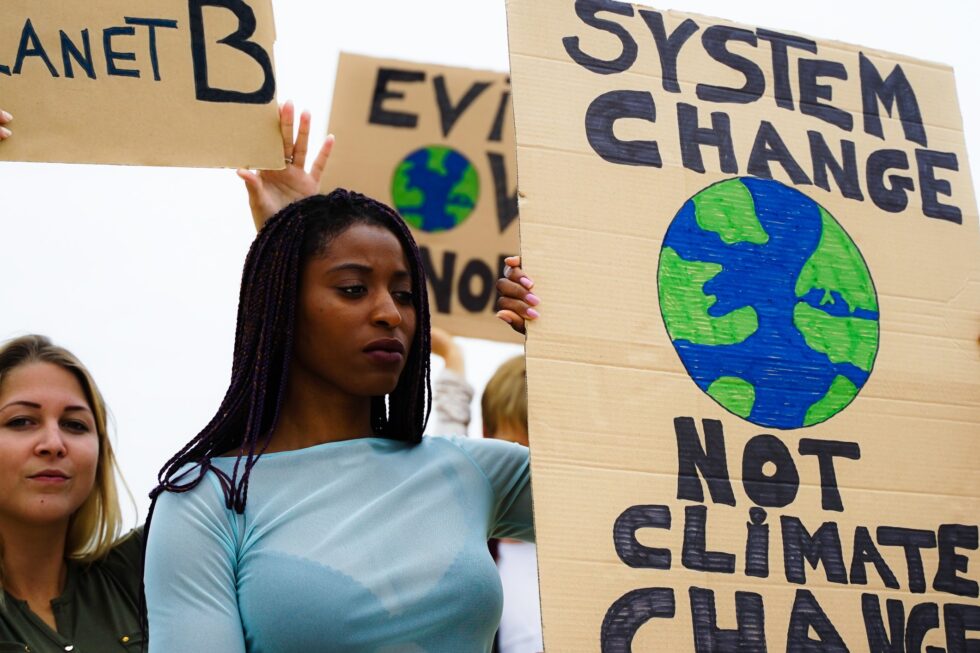
Community members sharing knowledge and learning together Canada · Ghana · Nigeria

WVL Learning Partnership · Feminist climate learning

Regional learning shaped by the people most affected.

This project concept envisions a regional hub for feminist and intersectional learning within the WVL Learning Partnership. It will elevate marginalized communities—particularly BIPOC women and youth—and center their knowledge and experiences in environmental justice and climate resilience across Africa.

Its participatory, decolonial approach responds to environmental inequalities and the exclusion of Black, Indigenous and women-led communities from decision-making and global knowledge spaces. Local realities will shape regional learning, with inclusion, equity and intersectionality guiding the work.

Global frameworks, including Canada’s Bill C-226, can help connect community-led evidence with regional action and policy advocacy.

Safe spaces to exchange knowledge, build skills and shape action.

01

Co-design the learning

Adapt the global learning agenda with communities so regional priorities reflect lived experience and local knowledge.

02

Center lived experience

Use consultations and storytelling circles to document environmental and gender injustice in community members’ own words.

03

Learn across languages

Create culturally sensitive opportunities for bilingual dialogue and shared learning across diverse contexts.

04

Build skills and solidarity

Bring women and youth together through capacity-building, peer exchange and community-led advocacy.

Dialogue, storytelling and shared evidence.

  • Regional consultations and storytelling circles
  • Hybrid dialogues in Ghana, Nigeria, Kenya and francophone West Africa
  • Bilingual convenings and capacity-building workshops
  • Community reports and policy briefs for regional and national advocacy

Stronger voices in climate governance.

  • Strengthened feminist and youth leadership in environmental spaces
  • A richer evidence base grounded in community realities
  • Resilient networks built on solidarity and shared learning
  • Greater recognition of Indigenous and local knowledge in climate action