
Ghana Green Scholars Program

Fostering sustainable futures through environmental education and lifelong learning in Ghanaian secondary schools.

← Back to all programmes
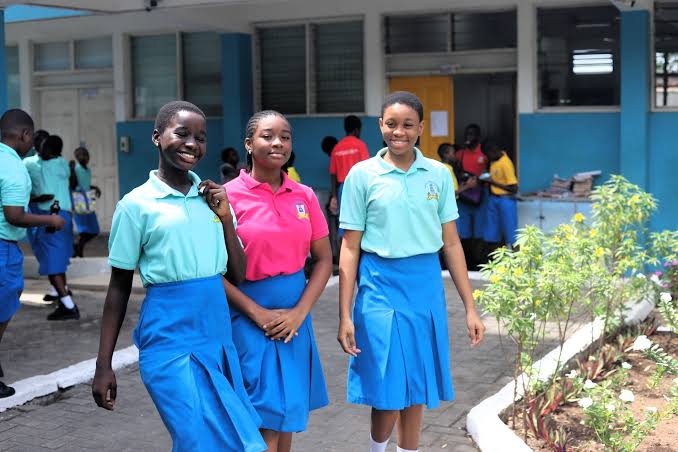
Senior high school students walking together on campus Ghana · Senior high school students

Environmental education · Youth leadership

Fostering sustainable futures.

The Ghana Green Scholars Program proposal outlines a practical, school-based approach to climate education for senior high school students. Clubs would complement school curricula and help young people connect climate knowledge with everyday choices at school, at home and in their communities.

As described in the proposal, the Environmental Protection Authority (EPA), Ghana is the intended partner. Any implementation or formal partnership is subject to confirmation.

Six learning areas connect climate knowledge to practical action.

01

Climate change basics

Explore the environment, climate change, weather and climate, and human impacts on the natural world.

02

Climate change in Ghana

Understand flooding, heat stress and coastal erosion and their effects on health, agriculture and education.

03

Waste and pollution

Learn about waste, pollution, the 3Rs—reduce, reuse and recycle—and better sanitation practices.

04

Sustainable living

Put water and energy conservation, tree planting and eco-friendly everyday habits into practice.

05

Green careers and innovation

Discover opportunities in environmental science, renewable energy, agriculture, waste management and climate-related fields.

06

Youth leadership and civic responsibility

Build leadership, teamwork and community engagement to support environmental protection.

Learning that reaches beyond the classroom.

  • Interactive workshops and discussions
  • School-based environmental projects
  • Clean-up and tree-planting activities, where permitted
  • Climate-awareness events and campaigns
  • Student presentations and group projects

Support informed, responsible young leaders.

  • Improved climate and environmental literacy
  • More sustainable practices in schools and households
  • Young people equipped for environmental stewardship
  • Stronger collaboration among schools, EPA and civil society